Creating an interior that feels like you doesn’t necessarily mean buying everything new. Combining the furniture you already own with a few second-hand finds and a carefully chosen coat of paint often produces a more personal result than furnishing a room from scratch. According to an ADEME report covering 2024, furniture reuse still accounts for only a modest share of the furniture sector, which means there’s a huge supply of quality furniture waiting for a second life.
Reuse and second-hand finds: the starting point for a personal interior
Before thinking about colors or style, take a look at what you already have. A family dresser, a set of mismatched chairs, a slightly dated coffee table: these pieces have a story to tell. They’re the raw materials for a one-of-a-kind interior.
Repair can make all the difference. Sanding and oiling a solid wood tabletop costs just a few euros and takes a couple of hours. Replacing the seat on a cane chair costs far less than buying four new chairs. Repairing an old piece of furniture often costs less than buying new, and the result won’t look like anyone else’s home.
When it comes to second-hand furniture, reuse centers, flea markets, and resale platforms are full of sturdy pieces selling for a fraction of their original price. Browse the home section of Wiki for Home for practical tips on where to look for each room in your home.
Regulations also make this easier. Retailers must take back used furniture free of charge when you buy an equivalent item, including when it’s delivered. So you can get rid of an old sofa when your new one arrives, without paying disposal or extra transportation fees.
Colors and materials: making the most of what you have
Have you noticed how dramatically a room can change with just one color update? An accent wall can transform an entire living room. There’s no need to repaint all four walls: a single wall in a rich shade (terracotta, peacock blue, or sage green) creates a focal point that gives the space structure.
Mixing materials from different eras
A piece of raw wood furniture from the 1960s works beautifully next to a contemporary metal shelf. Contrasting materials give a space its character. The trap is trying to match everything: an overly coordinated interior looks like a showroom, not a place to live.
Three guidelines can help you create a cohesive look:
- Limit your palette to three main colors, then add accents with textiles (cushions, curtains, throws)
- Create a common thread by repeating a material in several rooms (light wood in the kitchen and living room, for example)
- Embrace imperfections: a patina, a chip, or a visible repair tells the story of how something has been used and gives your decor a sense of authenticity
Decorative textiles and the EPR scheme
Since January 1, 2022, certain decorative textiles (curtains, sheer curtains, interior blinds, and cushions) have been covered by the furniture EPR scheme. In practical terms, this means these textiles have dedicated collection and recycling channels. Before throwing away a worn-out curtain, check whether you can drop it off at a collection point.
Layout and flow: rethink your space without major renovations
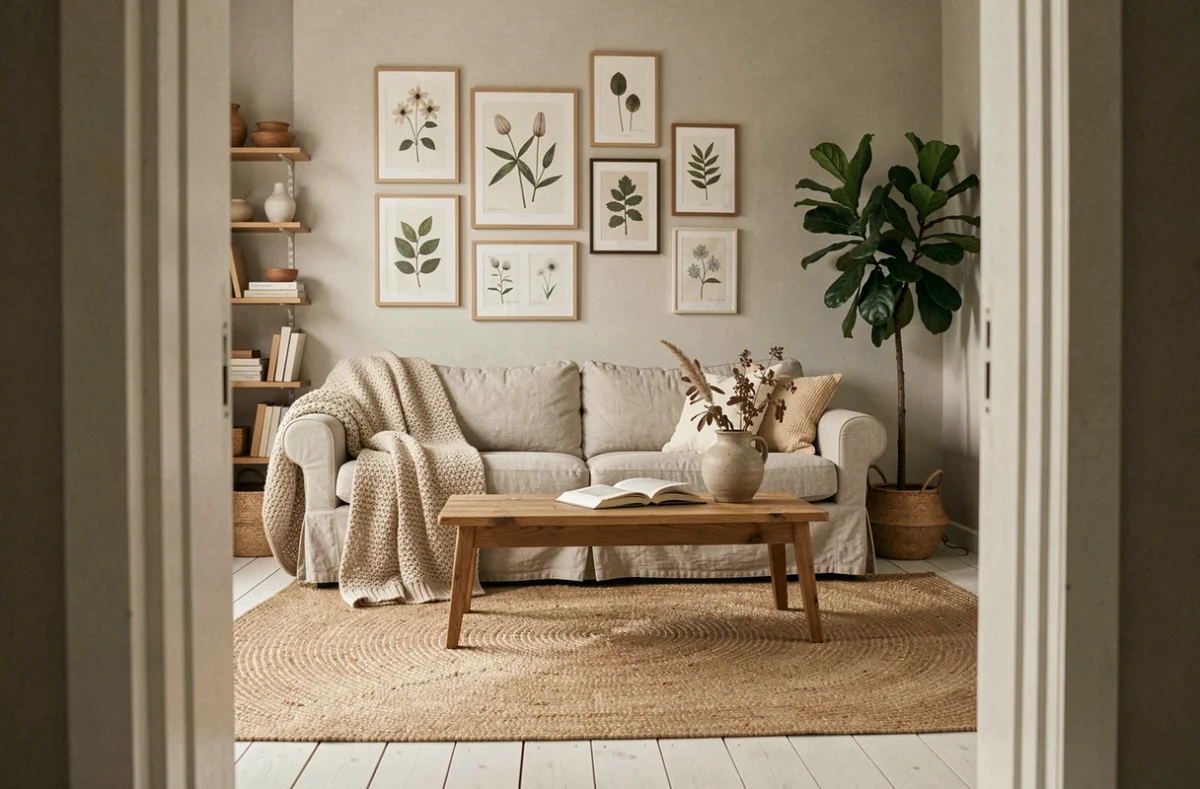
Why focus entirely on new furniture when rearranging what you have can transform a room just as much as changing its style? Moving a sofa 50 centimeters, using a bookcase as a divider, or clearing a walkway can change how you perceive the entire space.
Layout matters more than the design of the furniture itself. An ordinary armchair placed by a window with good natural light becomes the perfect reading nook. The same chair tucked into a dark corner goes unnoticed.
Zones and functions in a small space
In a compact apartment, every piece of furniture should serve two purposes. An entryway bench with built-in storage, an extendable kitchen table, a bed with drawers: you can find these solutions both new and second-hand.
- Define zones with a rug or a change of lighting rather than a partition
- Make use of vertical space: tall shelves, wall hooks, and hanging storage
- Leave at least 80 cm between pieces of furniture for easy movement
Sustainable decor: choose pieces that last
The low-cost decor market encourages people to replace their belongings frequently. The result is a generic interior that goes out of style within months. By contrast, a carefully chosen object fits in better than an impulse purchase.
For public procurement, the decree of February 21, 2024, and the order of February 29, 2024, already set minimum requirements for the reuse or repurposing of furniture and interior design items. The same principle can be applied at home: including refurbished or second-hand furniture in every decorating project reduces its environmental impact without compromising on style.
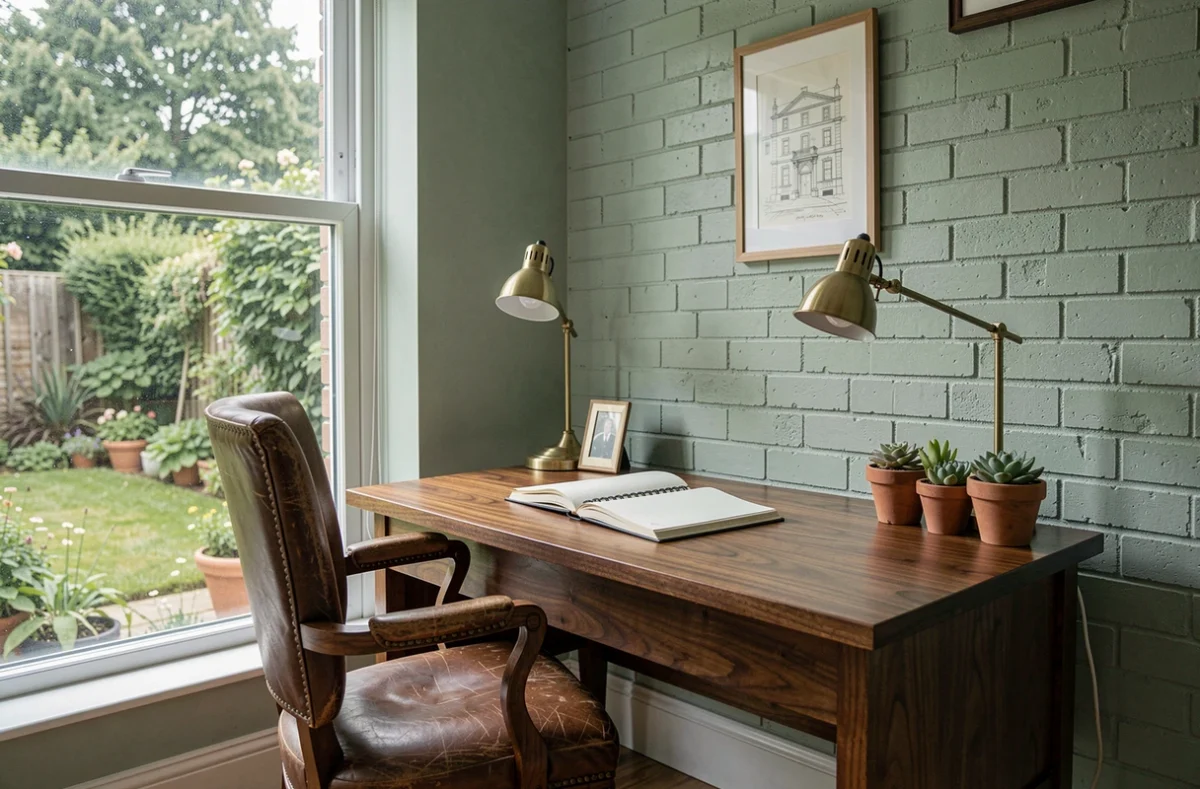
Solid wood, metal, ceramic, and glass age better than melamine-coated particleboard. A second-hand solid wood piece of furniture can last for decades. It can be sanded, stained, and waxed. Particleboard furniture rarely survives a second move.
Creating a personal interior means bringing together pieces that matter to you, whether they’re new, inherited, or discovered one Sunday morning at a flea market. Your style emerges from these accumulated choices, not from a list of trends to follow. The most elegant piece of furniture in your home may be the one you already own.