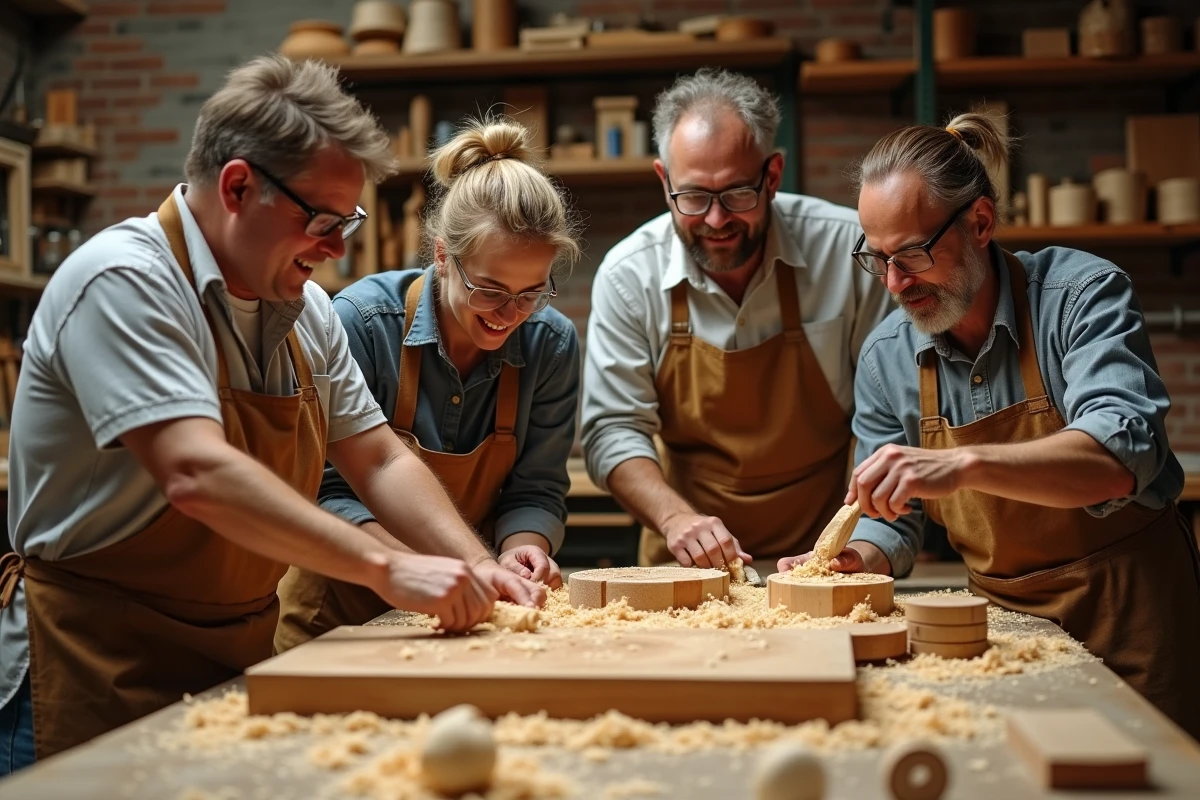
Les Copeaux is not just a machine park with open access. The workshop operates as a neighborhood infrastructure where artisanal production, knowledge transfer, and local dynamics coexist. This type of structure evolves quickly, well beyond a simple workshop schedule.
Machine safety and certifications in a community wood workshop
Risk management in a shared workshop is not handled the same way as in a professional single-user workshop. When a spindle moulder or a planer is used by very different profiles (an experienced carpenter in the morning, a complete beginner in the evening), the traceability of certifications becomes the critical point.
Recent recommendations from the INRS on the shared use of machine tools in structures welcoming the public have prompted many community workshops to formalize their procedures. In practical terms, this translates into mandatory training before any access to the most dangerous machines, a safety charter signed by each member, and a traceability register for each workstation.
For a place like Les Copeaux, this increase in requirements is not just administrative. It changes the daily organization: scheduling training sessions, mobilizing volunteer trainers, renewing and checking PPE. A workshop that neglects this aspect risks being denied coverage by its insurer, something that macro assessments of community life never detail. The news about Les Copeaux allows you to follow the evolution of these requirements over the months.
Economic model of wood workshops: resource diversification
The stagnation of public subsidies is no secret in the community sector. What is less documented is the concrete response of shared manufacturing workshops, which differs significantly from that of a traditional sports or cultural association.
Several feedback reports published by third-place networks show a clear trend towards diversification:
- Monthly tiered subscriptions, including reserved time slots and flexible access to machines based on certification level
- Billing for certified professional training, which generates revenue while meeting a real demand for skill enhancement
- Partnerships with local businesses for subcontracting or professional integration, transforming the workshop into an employability tool
- Micro-sponsorship of tools, where a craftsman or individual finances the acquisition of a specific machine in exchange for priority usage slots
We observe that workshops that combine at least three of these levers stabilize their cash flow better than those that remain dependent on a single municipal funding source. Diversification is no longer a luxury; it is a condition for survival for structures of this type.
Les Copeaux as neighborhood infrastructure: beyond the workshop
Reducing a shared workshop to its production function overlooks its territorial role. A place like Les Copeaux accumulates functions that public policies struggle to categorize: training space, intergenerational socializing place, materials reuse hub, anchor point for resident projects.
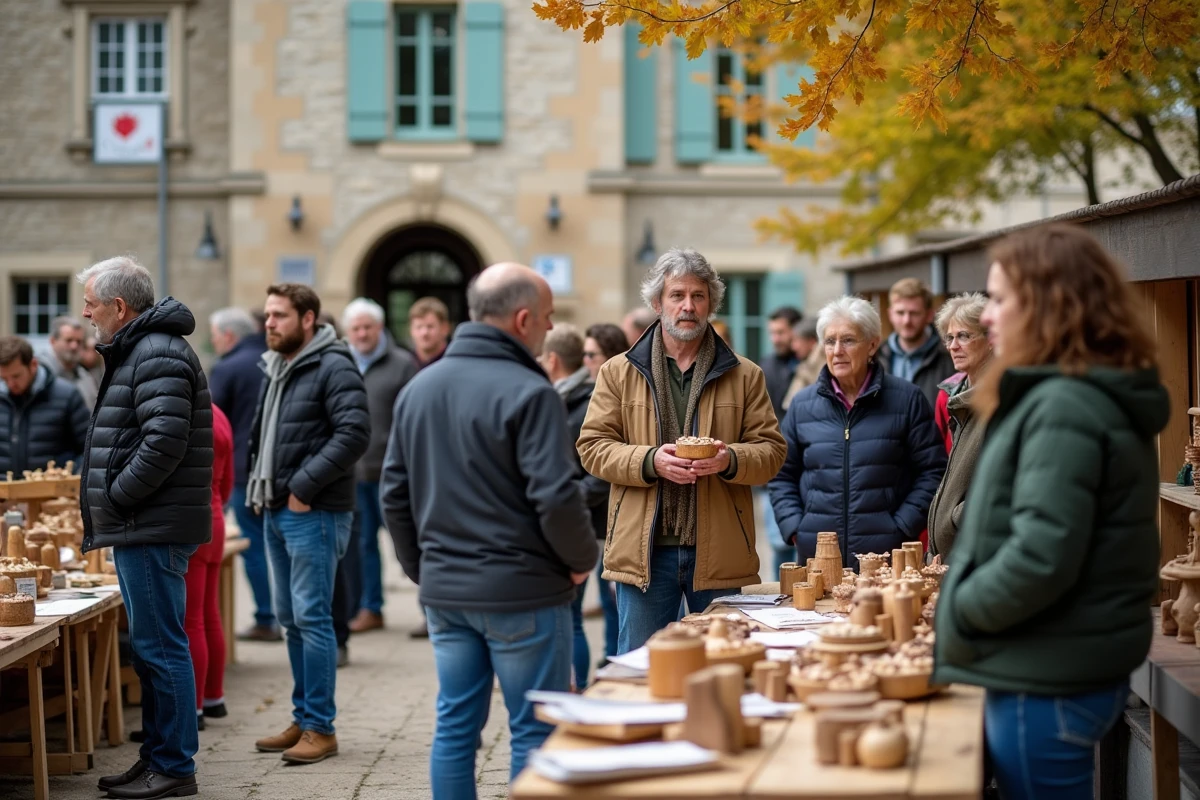
This “neighborhood infrastructure” dimension is reflected in the event programming. Open house days, exhibitions of members’ creations, discovery workshops for young people during school holidays: each event serves a different function. The workshop effectively becomes a public space, even if it remains legally a 1901 law association.
This hybrid positioning raises concrete governance questions. How to arbitrate between a member who comes to produce furniture for their professional activity and a group of retirees who use the space as a social link? Both uses are legitimate, but they do not require the same resources or time slots.
Event programming and local anchoring
The community life of Les Copeaux is not limited to the workshop’s opening hours. Occasional events (technique demonstrations, meetings with local artisans, themed days around wood reuse) serve as an entry point for audiences who would never have crossed the threshold otherwise.
This type of programming requires a coordination investment that volunteers often absorb without visibility. Each public event mobilizes several weeks of preparation in advance: logistics, communication, securing the space, managing visitor flows in a place equipped with potentially dangerous machines.
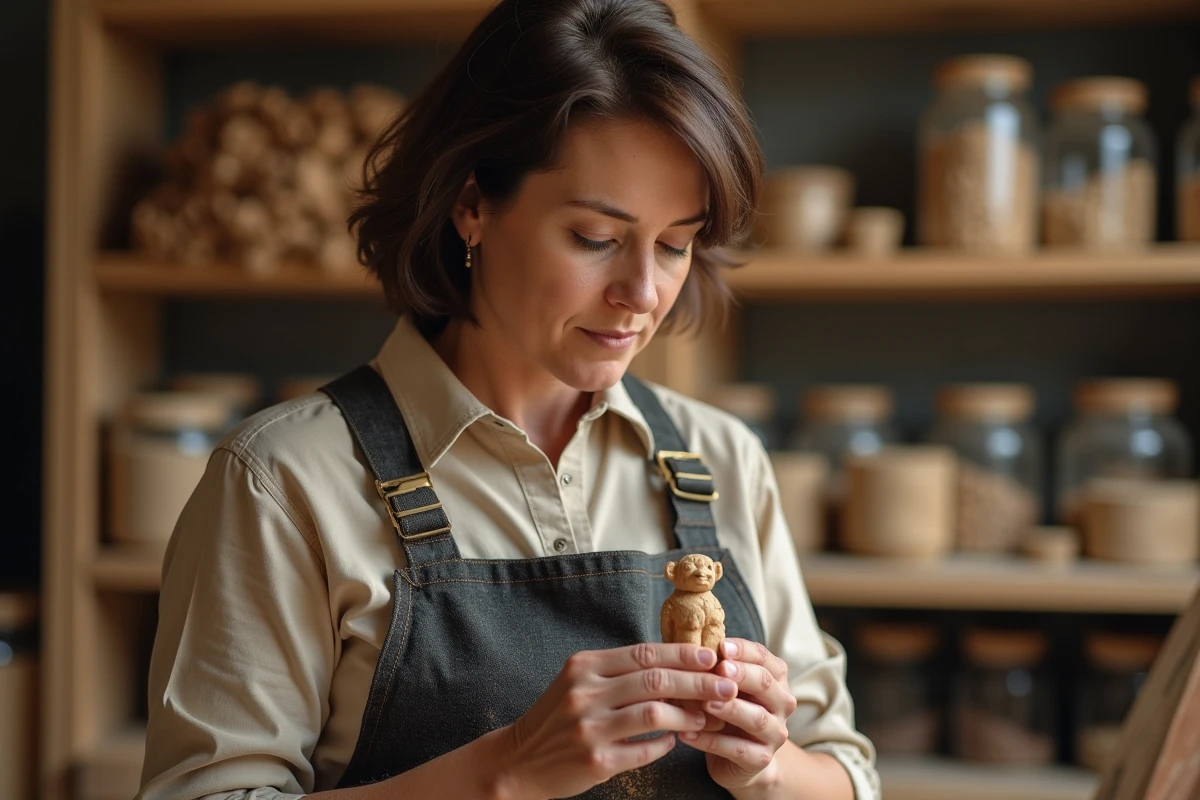
New developments and ongoing projects at Les Copeaux
The dynamism of a community workshop is measured by its ability to renew its offerings without losing its identity. Recent projects at Les Copeaux illustrate this tension between consolidation and innovation.
The acquisition of new equipment, when it occurs, rarely stems from a whim. It arises from a need expressed by members, validated by the board, funded through a mixed arrangement (membership fees, one-time grants, tool sponsorship). This participatory process slows down decisions but ensures their relevance.
The question of initial access remains a permanent work topic. How to welcome new members without slowing down regulars? Discovery workshops, supervised initiation sessions, and dedicated slots for beginners are classic responses, but their effectiveness directly depends on the number of available volunteers to supervise.
Community life and volunteer renewal
The renewal of active volunteers is the structural challenge for any association that relies on technical know-how. Training a volunteer capable of supervising a spindle moulder workshop takes time. Losing an experienced supervisor without a replacement is akin to closing a machine station.
Les Copeaux, like most shared workshops, is working to formalize skill enhancement pathways for its volunteers. The challenge goes beyond mere goodwill: it is about building a resilient organization capable of absorbing natural turnover without degrading either safety or the quality of support.
The upcoming community season will be a good indicator of the project’s vitality. Workshops that navigate difficult years best are those that have invested in their governance as much as in their machine park.