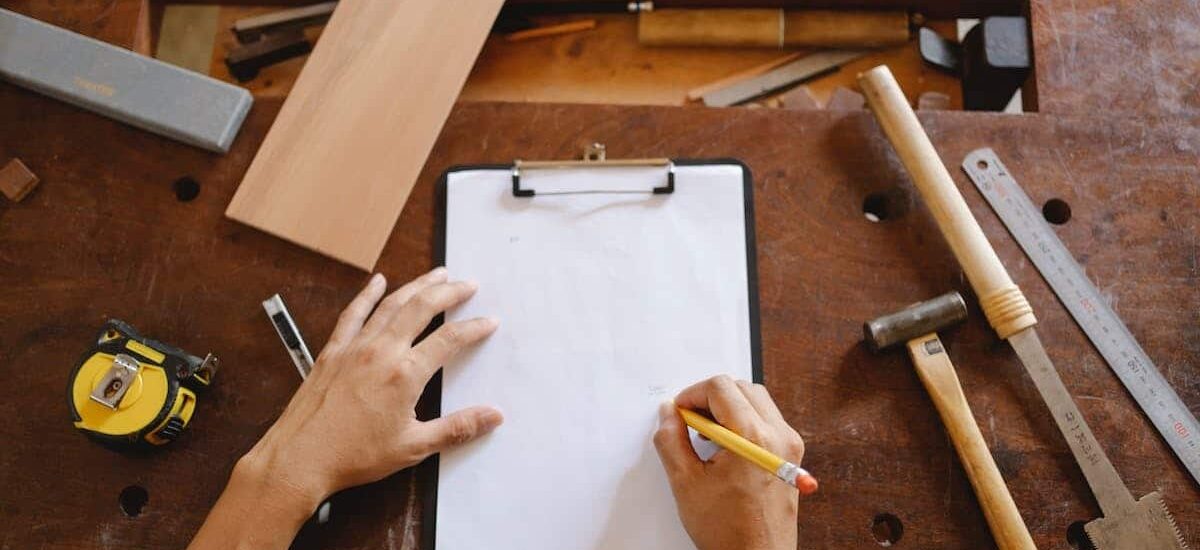
To achieve an optimal finish when repainting wood, preparation is a crucial step. This may seem tedious, but it is the guarantee of a flawless finish and durable paint. Whether dealing with raw, varnished, or already painted wood, several techniques can be used to prepare it adequately. These methods often require cleaning, sanding, and treating the wood. The goal is to create a smooth and clean surface that will promote good paint adhesion. Here is a guide to the best ways to prepare wood before painting.
Wood Preparation: An Essential Step for Impeccable Results
The initial preparation of the wood before painting requires special attention and a rigorous process that goes well beyond simple dusting. An essential step not to be overlooked is degreasing before painting.
The need to ‘degrease before painting’ may sometimes seem excessive, especially if the wood appears clean and dry to the untrained eye. This step plays a crucial role in ensuring a smooth and durable finish after the paint is applied.
The term ‘degrease’ in this context refers to the removal of oily or greasy residues that can accumulate on wood surfaces over time. These substances can prevent the new layer of paint from adhering properly to the material, leading to a variety of problems such as blistering or premature peeling.
To effectively degrease your wood surface before painting, you will need an appropriate degreasing product. Apply it generously over the entire surface of the wood using either a soft cloth or a non-abrasive sponge to avoid unnecessary scratching of the material. Make sure all areas are covered without exception: rounded edges, hard-to-reach corners… Don’t hesitate to repeat this process until you achieve a satisfactory result.
After carefully cleaning and degreasing your wood piece, it is also advisable • but not mandatory • to lightly sand the surface. This will help create better adhesion for the paint.
The good news is that degreasing before painting is not a step that requires professional skills or expensive equipment. With a few common household products, a bit of elbow grease, and the right process, you can effectively prepare your wood before painting, ensuring it will have the neat and durable appearance you are looking for.

Sanding Wood: Smoothing the Surface for Better Adhesion
Once you have degreased your wood in preparation for painting, it is time to move on to the next step: sanding and smoothing the surface. This will ensure a flawless final result, free of irregularities or defects.
Sanding involves gently rubbing the surface of the wood with sanding paper to remove rough spots and make the surface smoother. There are different grits of sanding paper available on the market, ranging from coarse to fine. The choice of sanding paper will depend on the initial condition of the wood and the desired results.
Start by using a coarser grit to eliminate major imperfections such as chips or stubborn stains. Sand in the direction of the wood grain, applying even but light pressure on the surface. Be careful not to press too hard to avoid further damaging the material.
Once you have finished with the coarse grit, gradually switch to a finer grit to further refine the wood texture. This process will also help remove marks left by the previous sanding and provide a much more professional finish.
After sanding the entire surface using different grits as needed, you must thoroughly clean all fine particles that have accumulated during the sanding process. Use a soft cloth or a special brush to effectively remove dust. Ensure that the surface is clean and dry before moving on to the next step.
Once sanding is complete, you may also consider applying a primer coat to the wood to further enhance paint adhesion. The primer will also seal any stains or lingering residues that could affect the final result.
Sanding and smoothing the wood are crucial steps in preparation before painting. By using the right tools and following a rigorous method, you will achieve a professional result with a surface perfectly prepared to receive your paint layer. Take the necessary time to carry out this step carefully, as it will make all the difference in the final appearance of your wood project.
Wood Cleaning: Removing Dirt and Grease for Durable Paint
After degreasing the wood, consider using non-aggressive products that will not damage the wood surface.
Use a sponge or a soft cloth soaked in this solution to gently scrub the entire wood surface. Pay particular attention to areas with stubborn stains or ingrained residues. Also, make sure to clean the hard-to-reach corners and crevices thoroughly.
Once you have completed the washing step, rinse the wood thoroughly with clean water to remove any product residue. You can also use a clean, damp sponge to wipe away any excess.
After carefully rinsing the wood, it is necessary to dry the surface well before applying paint. Use an absorbent cloth or allow it to air dry, ensuring there is sufficient ventilation in the area where your wood project is located.
Keep in mind that some types of wood may require additional treatment before cleaning. For example, exotic or resinous woods may need to be pre-treated with a special product to optimize their durability and facilitate maintenance.
Cleaning and degreasing the wood are essential steps in preparation before painting. By following these methods, you will achieve a clean surface ready to receive your paint layer. Always take the necessary time to perform these steps meticulously to achieve a professional and durable final result.
Primer: Ensuring a Perfect Base for an Impeccable Finish
Once the wood is clean and dry, it is time to apply an appropriate primer. This crucial step prepares the wood surface by creating a protective barrier between the material and the paint.
The selection of the primer will depend on the type of wood and the desired final result. For raw or untreated wood surfaces, opt for a penetrating primer that seeps into the wood pores, thereby enhancing its resistance to weather and mold.
For already painted or varnished surfaces, use a bonding primer specifically designed to promote the adhesion of the new paint layer. This will ensure a uniform and durable finish.
When applying the primer, be sure to follow the manufacturer’s instructions regarding the number of coats needed, as well as the recommended drying times between each application. Use a soft-bristle brush or a roller suitable for the type of surface to achieve an even distribution.
Wood Painting: Selecting, Applying, and Enhancing Your Surface
Once the primer is completely dry, you can move on to the painting step. To achieve the best results, be sure to choose a paint suitable for wood and your specific needs.
In the wide range of paints available on the market, you are sure to find what you are looking for. You can choose between acrylic paints or oil-based paints. Acrylic paints are favored for their quick drying time, low odor, and ease of subsequent maintenance. They are perfect for wood surfaces that require regular cleaning.
As for oil-based paints, they provide a more durable and resilient finish. These are ideal for areas exposed to the elements or subjected to heavy use.
Beyond the choice between these two main types of paint, you should also consider the desired color and the finish you want: glossy, satin, or matte.
To apply the paint under the best possible conditions, equip yourself with an appropriate brush depending on the surface you wish to cover (flat brush for large flat areas, round brush for details) or a roller if that proves more practical.
Before any application on the wood that has been carefully prepared so far • previously cleaned and then treated with a primer -, ensure that it is free from dust and perfectly dry.
During application, be sure to spread the paint evenly and in the direction of the wood grain. Avoid excess or overloads that could lead to an unsightly result and adhesion problems.
To achieve a perfect finish, it may be necessary to apply multiple thin coats rather than a single thick coat. This will also allow the different layers to dry more quickly between them.
Once the paint is applied, allow it to dry according to the manufacturer’s instructions before possibly applying a second coat if necessary.
By following these wise tips for choosing and applying your paint on the carefully prepared wood, you will achieve a beautiful final result that will showcase your work while ensuring its durability over time.
Wood Finish: Protecting and Maintaining Your Paint Effectively
Once your primer is completely dry, you can move on to the final step: finishing and maintaining the painted wood. This step is essential to ensure the longevity and beauty of your work.
Be sure to choose a finish suitable for your project. You have various options such as varnish, wax, or varnish. Each type of finish offers specific advantages in terms of protection and appearance.
Varnish is a popular option that creates a durable protective film on the wood. There are different types of varnishes such as acrylic or polyurethane varnishes. When applying varnish, be sure to follow the manufacturer’s instructions regarding application and drying times.
Wax is another interesting alternative for protecting your painted wood surfaces. It adds an extra layer while providing a beautiful natural patina to the material. To apply wax to your painted wood, use a soft cloth and gently rub in the direction of the wood grain.
If you want a finish that is more resistant to scratches and impacts, you can opt for a varnish.