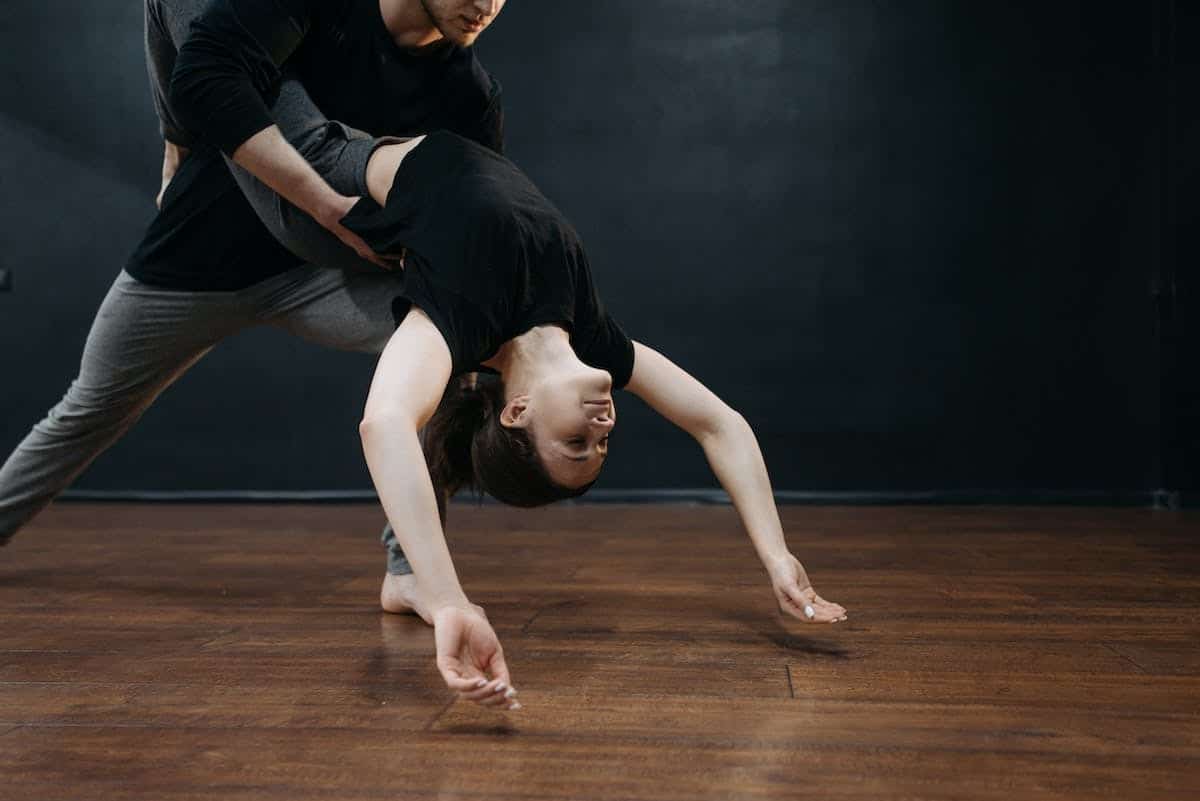
Dance, this bodily expression that captures the essence of passion, is a visual symphony that evokes a range of emotions. It represents much more than mere entertainment or a physical skill; it is a communion between body and soul. Dance is the mirror of our soul that vibrates to the rhythm of music, a universal language that transcends cultural and linguistic barriers. It is an inexhaustible source of energy, an outlet for the mind, a therapy for the heart. It testifies to the immense creative potential of humanity and its perpetual quest for beauty and harmony.
The Art of Dance: A Captivating Expression of the Body
The ‘text on dance, a passion’ that we present today begins with the very first beats of humanity’s heart. Our distant ancestors already resorted to rhythmic gestures to express their feelings and recount their experiences, thus laying the groundwork for a lasting passion for dance.
Read also : Car Passion: Discover the Latest Trends and Tips for Auto Enthusiasts
The cave paintings over 20,000 years old in France testify to this ancestral fascination. Ancient civilizations such as that of the Pharaohs in Egypt assigned a vital role to dance during sacred ceremonies. Ancient Greece also integrated dance movement into all its sociocultural aspects.
During the Middle Ages, local folklore blended with religious influences to create various types of traditional dances that animated public festivities, where itinerant musicians contributed their musical talents to the spectacle.
It was during the Romantic era of the 19th century that classical ballet truly flourished with legendary figures like Marie Taglioni or Fanny Elssler, whose innate grace and technical mastery left a lasting mark on their time.
Related reading : The secrets to a perfect pork shank: recipes, tips, and cooking times
In the 20th century, we witnessed the emergence of contemporary jazz style influenced by various African American musical genres such as blues and hip-hop. At the same time, Martha Graham revolutionized our choreographic perception with a new approach based on bodily expressiveness rather than the strict codes of academic ballet.
Today, in the 21st century, this legacy endures in various forms: modern jazz, hip-hop, and even the integration of cutting-edge digital technologies to enrich this intense sensory spectacle • capable of making every soul present vibrate before these performers showcasing their talents on a wonderfully illuminated stage…
This ‘text on dance a passion’ thus only affirms how this universal art continues to undeniably fascinate generation after generation despite its long historical journey.
The Fascinating History of Dance Through the Centuries
The different dance styles offer a fascinating mosaic of artistic expressions, each with its distinctive specifics. Classical ballet dazzles with its refinement and virtuoso technique, where dancers display an airy grace in precise and elegant movements. Delicate pointe shoes and rapid pirouettes are integral parts of this demanding discipline that requires strength, flexibility, and mastery of the body.
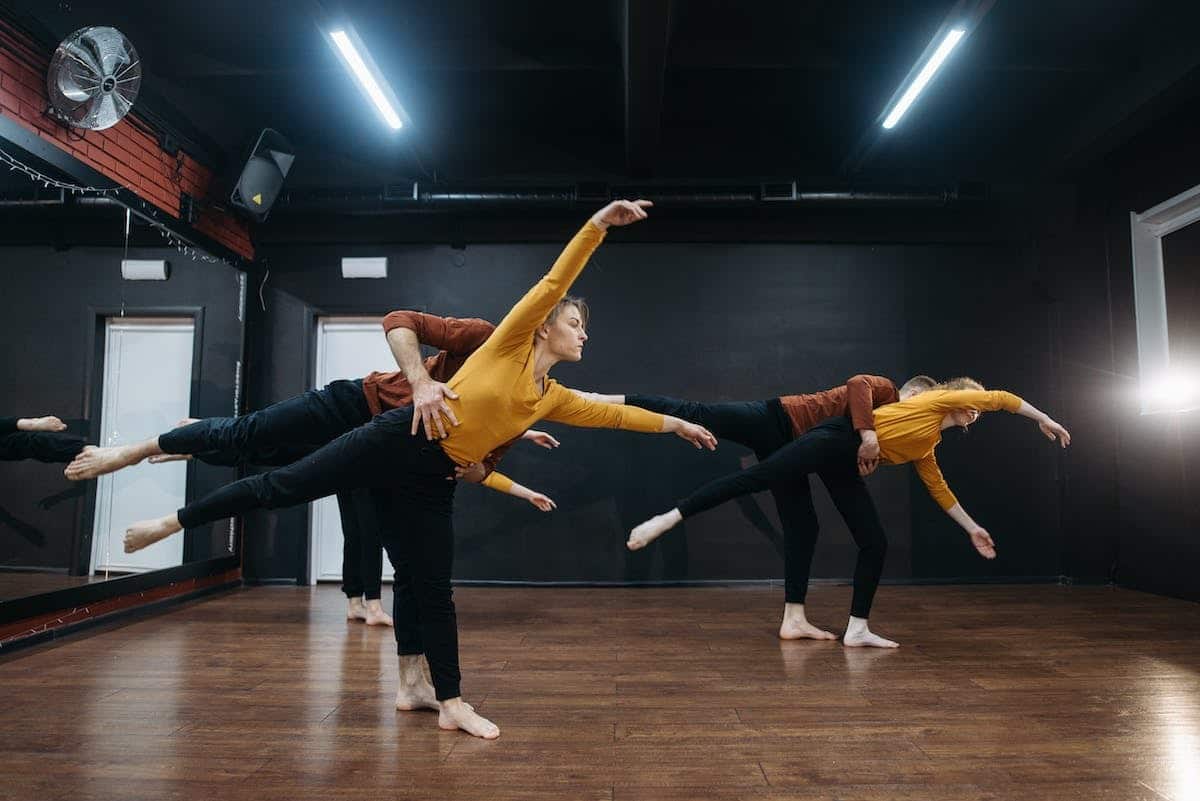
Contemporary dance, on the other hand, pushes traditional boundaries by exploring improvisation and freedom of movement. It draws from multiple influences to create a unique body language. Personal expression is at the heart of this form of modern dance, where the choreographer often encourages performers to draw from their own emotional experiences to bring their performance to life.
The Physical and Mental Benefits of Dance
Great figures of dance have marked their time with their undeniable talent and significant contributions to this ancient art. Among them, we can mention Isadora Duncan, a pioneer of modern dance. With her unique style and freedom of bodily expression, she disrupted the codes of classical dance at the beginning of the 20th century.
Another iconic figure is Vaslav Nijinski, a famous Russian dancer of the Ballets Russes under the impetus of Russian-loving impresarios Sergei Diaghilev and Alexandre Benois, who revolutionized the world of dance in the early 20th century with his exceptional and innovative performances. His extraordinary technique and ability to embody different roles earned him international fame.
Then came Martha Graham in the 1920s-1930s, whose influence on modern dance is undeniable. This American choreographer created a powerful choreographic language based on the intuitive movements of the human body. Through her innovative approach focused on emotional feeling as much as on physical movement, Graham allowed for the exploration of deep and universal themes, thus giving birth to a new artistic current.
In a different but equally important vein, Mikhail Baryshnikov, who had an illustrious career as the principal dancer of the American Ballet Theatre and later became the artistic director when he founded his own company called The White Oak Dance Project, to name just one example. The grace of his interpretation and his virtuosity have made him a true icon of classical dance.
It is impossible to talk about the great figures of dance without mentioning Rudolf Nureyev. This star dancer of Russian origin, who worked notably with the Kirov Ballet and then the Royal Ballet, revolutionized the codes of classical ballet with his charisma and breathtaking technique. His unique style, of incredible power, blending strength and sensitivity, has left a lasting impression and continues to inspire future generations.
This article does not claim to be exhaustive, but it highlights some of the great figures who have marked the history of dance. Through their undeniable talent and their ability to push artistic boundaries, certain choreographers, dancers, or teachers have entered into posterity, to our greatest delight.
Notable Figures of Dance Through the Ages
Contemporary dance, often perceived as an avant-garde artistic genre, is nonetheless part of a complex historical continuity. It draws its roots from modern dance of the early 20th century while embracing the varied influences of the current era. It is a subtle blend of traditional heritage and innovative creativity that characterizes this form of expression.
In contemporary dance, there are no strictly defined rules. Choreographies are free from conventional constraints and can explore a vast range of movements and styles. This freedom allows dancers to express their individuality and artistic sensitivity through original gestures.
One of the major specificities of contemporary dance lies in its ability to integrate various artistic elements beyond just the moving body. The set design, costumes, music, and sometimes even digital technologies enrich the stage experience to create a true multidimensional work.
The themes addressed in contemporary dance are also very varied. They often reflect the social or political concerns of the moment as well as the existential questions specific to each individual or group of artists involved in the creative process.
In this demanding discipline that is contemporary dance, technical talent is, of course, essential but is not sufficient on its own to create a true work of art. The creativity and personal interpretation of the dancer are equally essential to bring the choreography to life.
Many contemporary dance companies have formed around the world, thus contributing to the development and dissemination of this unique art. They allow talented artists to showcase their work and offer invaluable diversity to both spectators and discerning enthusiasts.
Although sometimes considered elitist or inaccessible, contemporary dance is gradually gaining popularity thanks to initiatives aimed at democratizing this form of expression. Dedicated festivals give it increased visibility while accessible classes allow enthusiasts to get started or refine their skills.
Contemporary dance is a complex universe where tradition and innovation coexist harmoniously. It offers a unique sensory experience that invites the audience to push the limits of the human body and constantly explores the boundaries of bodily aesthetics in a constant dialogue with its time.
Contemporary Dance: Tradition and Innovation
In the world of dance, classical ballet occupies a unique and fascinating place. Emerging from a long artistic lineage dating back to the first steps of its protagonists, it embodies the very foundations of this discipline.
Classical ballet has its origins in the 15th century in Italy, where it was practiced in royal courts. It was later popularized in France by King Louis XIV, who founded the Royal Academy of Dance. Since then, ballet has become synonymous with elegance, thanks to its precise technique and graceful movements.
The technical rigor is at the very heart of classical ballet. The relentless work on positions, pirouettes, and grand jetés demands perfect mastery of the body and extreme control of movement. Ballerinas must also develop great flexibility to perform arabesques or développé devant.
Another essential element in the world of classical ballet is music. Great symphonic compositions often accompany choreographies with finesse and emotion. Composers such as Tchaikovsky or Stravinsky have certainly written some iconic works specifically dedicated to the choreographic repertoire.
The sumptuous costumes are also an integral part of the theatrical aesthetic specific to classical ballet. They allow dancers to fully embody their characters while adding a refined visual dimension to the stage. Tutus for women and fitted bodysuits for men are iconic elements that define the aesthetic of classical ballet.
The repertoire of classical ballet is rich in timeless works, such as Swan Lake, Sleeping Beauty, or The Nutcracker. These captivating stories continue to inspire and touch audiences with their iconic steps and universal emotions.
Despite its traditional nature, classical ballet continues to evolve. New choreographies regularly emerge to breathe new life into this ancient art while preserving its timeless grandeur. Talented dancers constantly push technical boundaries, demonstrating breathtaking virtuosity in their interpretation of great mythical roles.
Classical ballet also continues to captivate a wide audience through its sumptuous performances in our grand theaters as well as through audiovisual dissemination on various specialized digital platforms. This increased accessibility allows passionate enthusiasts as well as curious newcomers to fully immerse themselves in the magical world of ballet.
Classical ballet remains an undeniable source of artistic wonder combined with exemplary technical rigor. Through its graceful movements and enchanting music, it captivates all generations alike for several centuries now.