Making your own bread at home may seem like a daunting task, but with the right tools and tips, it can become a rewarding and delicious experience. The key element of this process is the oven, which transforms raw dough into a golden, crispy loaf. Knowing how to use the oven correctly can make the difference between a perfect loaf and one that is overcooked or undercooked. This guide will provide you with tips and secrets to successfully make your homemade bread, focusing on the optimal use of the oven.
Homemade Bread: Secrets to Success
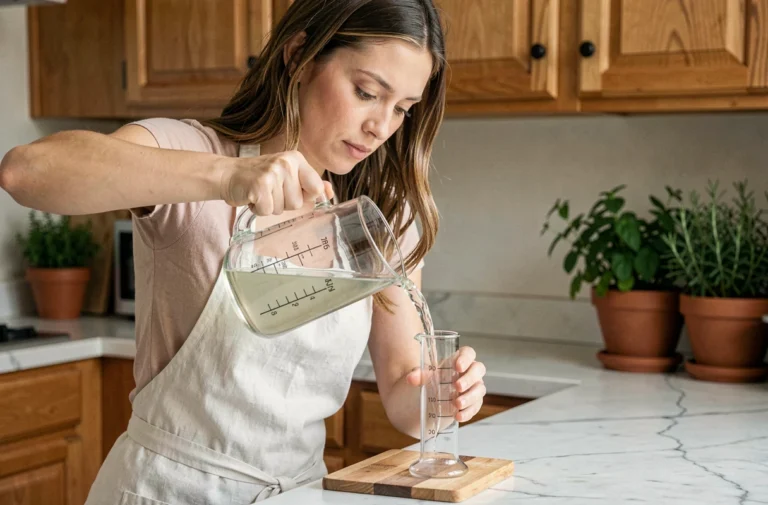
The preparation of homemade bread involves several crucial steps to achieve a flavorful result. You start by mixing the dough ingredients: flour, yeast, salt, and warm water. Once the dough is well-kneaded, it needs time to rise in a warm, draft-free place. This allows the yeast present in the dough to work its magic by producing air bubbles that will give our bread its fluffy texture.
Once the dough has doubled in volume, comes the delicate step: shaping. You give your ball of dough a regular shape before placing it in the oven so it can continue to rise during baking.
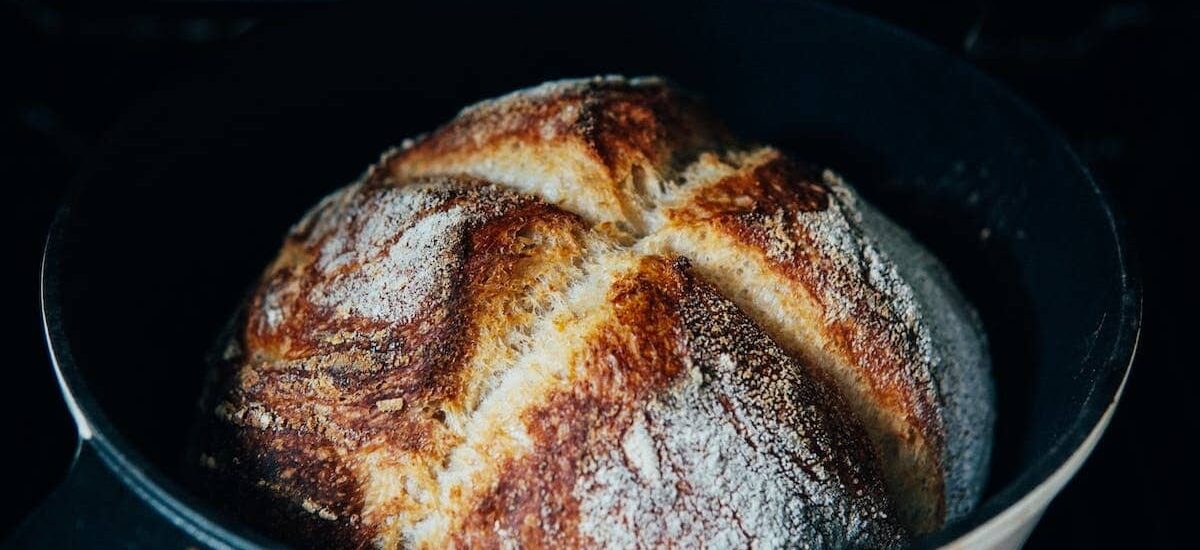
The crucial moment has arrived: the baking of the bread in the oven. Preheat your oven to a high temperature (around 220°C) while you place your bread on a baking sheet or in a preheated cast iron pot. To create that desired crispy crust, feel free to spray a little water on top of the bread just before baking.
Quickly close your oven to retain all the moisture needed to create a beautiful golden and crispy crust.
Let it bake for about 30 minutes, keeping a close eye to avoid burning your precious masterpiece!
Another secret to achieving a fluffy crumb is to place a ramekin of hot water in the oven during baking. The steam will help maintain a constant humidity level and thus promote that perfect texture.
Once your bread has reached a beautiful golden color, carefully remove it from the oven using oven mitts to avoid any accidents.
Let your bread rest on a rack so it can cool completely before slicing. This step is essential as it allows the flavors to develop and also ensures a well-structured final result.
By following these various steps carefully, you will achieve a delicious homemade bread that will delight the whole family.
Bread Preparation: Key Steps Not to Miss
Baking bread in the oven is a crucial step in creating a perfect homemade bread. Here are some tips that will help you achieve results that meet your expectations.
Remember to preheat your oven long enough before placing your bread inside. This step will allow you to reach the optimal temperature for even and successful baking. A well-heated oven also promotes the development of the much-appreciated crispy crust.
Another tip is to use a cast iron mold or a baking stone to bake your bread. These materials conduct heat perfectly, allowing for good distribution and avoiding the risks of overcooking or undercooking.
During baking, do not constantly open the oven to preserve the moisture necessary for the proper development of the bread. When you need to check the progress of the baking, do it quickly and close it immediately to maintain the humid environment conducive to achieving a fluffy crumb.
To ensure your crust is well-golden and crispy, spray a little water on it just before placing the bread in the oven. This will create a slight thermal shock and thus promote its optimal development during those critical first minutes.
Once your bread has reached its desired color, carefully remove it from the oven using oven mitts to avoid any accidental burns. Immediately transfer it to a cooling rack to prevent condensation from forming underneath and softening the crust.
It is important to respect the resting times after baking. Let your bread cool completely before slicing. This will allow the flavors to fully develop and also ensure a well-defined structure.
With these simple yet effective tips, you can create a delicious homemade bread that will surely delight your taste buds.
Perfect Baking: Tips for a Golden Bread
The success of a homemade bread relies on a subtle balance between a fluffy crumb and a crispy crust. To achieve results that meet your expectations, here are some valuable tips to follow.
The choice of ingredients is crucial. Opt for high-quality flour, rich in gluten. Gluten is responsible for the elasticity and development of the bread’s structure. Flour with optimal characteristics will ensure a light and airy crumb.
Another tip is to use a technique called ‘autolyse’. This is a preliminary resting phase where you simply mix the flour and water before adding other ingredients such as salt or yeast. This step allows the gluten to develop naturally, giving the bread its sought-after fluffy texture.
During kneading, be mindful of the amount of flour used. Too much flour will make the dough dry and less pleasant to eat. Therefore, adhere to the recommended times in your recipe to achieve a soft but not elastic dough.
Regarding the actual baking, make sure to preheat your oven long enough so that it reaches an ideal temperature for baking the bread evenly. To maintain the necessary humidity during this crucial phase, place a container filled with water in your oven or regularly spray water.
Using a baking stone or a cast iron mold is also recommended. These materials allow for good heat distribution, thus promoting even baking and a crispy crust.
The rest after baking is equally important. Let your bread cool on a rack so it retains its crispness. Once completely cooled, you can then enjoy an airy and fluffy crumb, paired with a golden and crispy crust.
By following these wise tips, you will be sure to successfully make your homemade breads with flying colors. Explore different recipes, vary the toppings, and let your culinary creativity run wild to amaze your guests at every tasting.
Fluffy Crumb, Crispy Crust: Foolproof Tips
To achieve an even more authentic flavor and give your homemade bread a touch of originality, you can experiment with using natural yeasts. Starters are fermented mixtures that not only bring flavor but also better preservation to the bread. They require a bit more patience and attention during preparation, but the results are well worth it.
Another essential element for successfully making your bread is the baking temperature. It is recommended to use a thermometer to check that the heat inside the oven corresponds to that indicated in your recipe. Even a slight variation can alter the final result.
To achieve a perfectly golden and crispy crust, you should use steam or perform regular water spraying during the first minutes of baking. This will allow the enzymes present in the flour to develop properly and give that much-appreciated texture.
Feel free to play with mathematical formulas to adjust your ingredient proportions according to your personal tastes. By slightly increasing or decreasing certain elements such as water or salt, you will achieve subtle variations that will make each batch unique.
Remember that good bread also requires adequate time to rest after coming out of the oven before final tasting. Let it cool completely on a rack so it can release excess moisture and develop its final texture.
Successfully making your homemade bread is an art that requires patience, practice, and a good understanding of baking techniques. By following these wise tips, you will undoubtedly create delicious and flavorful breads that will delight your palate as well as that of your loved ones.