Sport in France is undergoing profound changes. Following the momentum of the Paris 2024 Olympic Games, practices are evolving, clubs are losing members, and new constraints are impacting access to playing fields. Understanding these trends means grasping what is changing concretely for participants, volunteers, and local authorities.
Heat and amateur sports in France: training sessions to reinvent
Have you noticed that your children’s training slots are shifting to the evening in September? It’s no coincidence. Episodes of extreme heat are altering the organization of amateur sports across the country.
Ministerial recommendations now call for adapting schedules, reducing the intensity of sessions, and enhancing access to water. To assess thermal risk, clubs use the WBGT indicator, which combines temperature, humidity, and solar radiation. In the case of a red alert, outdoor sports activities may be prohibited.
Specifically, a rural football club that had two grass pitches needs to rethink its schedules. Saturday afternoon matches are moving to the evening. Summer camps are being shortened. Volunteers, already few in number, must manage additional constraints.

This reality primarily affects small organizations without gymnasiums or covered fields. Urban clubs with air-conditioned facilities are better able to absorb the shock, widening the gap between regions. To follow all the news on Sportsland, this issue of climate adaptation frequently arises in testimonies from association leaders.
Cost of licenses and access to sports: a growing barrier
Sports are becoming more democratic in discourse. In reality, the costs are rising. Club membership fees, equipment, travel for competitions: the financial burden weighs heavily on families, especially in disciplines like rugby, equestrian sports, or skiing.
Economic access to sports is becoming a central issue despite the overall increase in participation. The Pass’Sport program aims to reduce this barrier by providing financial assistance to young people. However, its scope remains limited compared to the total expenses incurred over a season.
Why this discrepancy? Because clubs are passing on the rise in their own costs: energy, insurance, facility rentals. A handball club that rented a municipal gym at a preferential rate sometimes sees its fees increase when the local authority cuts its subsidies. The cost is shifted onto families, and some are forced to drop out.
Three often underestimated expense categories
- Travel costs for regional competitions, which can exceed the cost of the license itself in team sports
- The annual renewal of standardized equipment (protective gear, cleats, official uniforms) that sports thrift stores do not always cover
- Off-season camps and tournaments, presented as optional but perceived as necessary for progress
From organized sports to practiced sports: why clubs are losing members
The CNOSF summarizes the trend with a clear formula: we are moving from “organized sports” to “practiced sports.” In other words, more and more French people are engaging in sports without joining a club.
Running perfectly illustrates this shift. A runner only needs a pair of shoes and a route. Tracking apps replace the coach. Informal groups on social media replace the federal calendar.
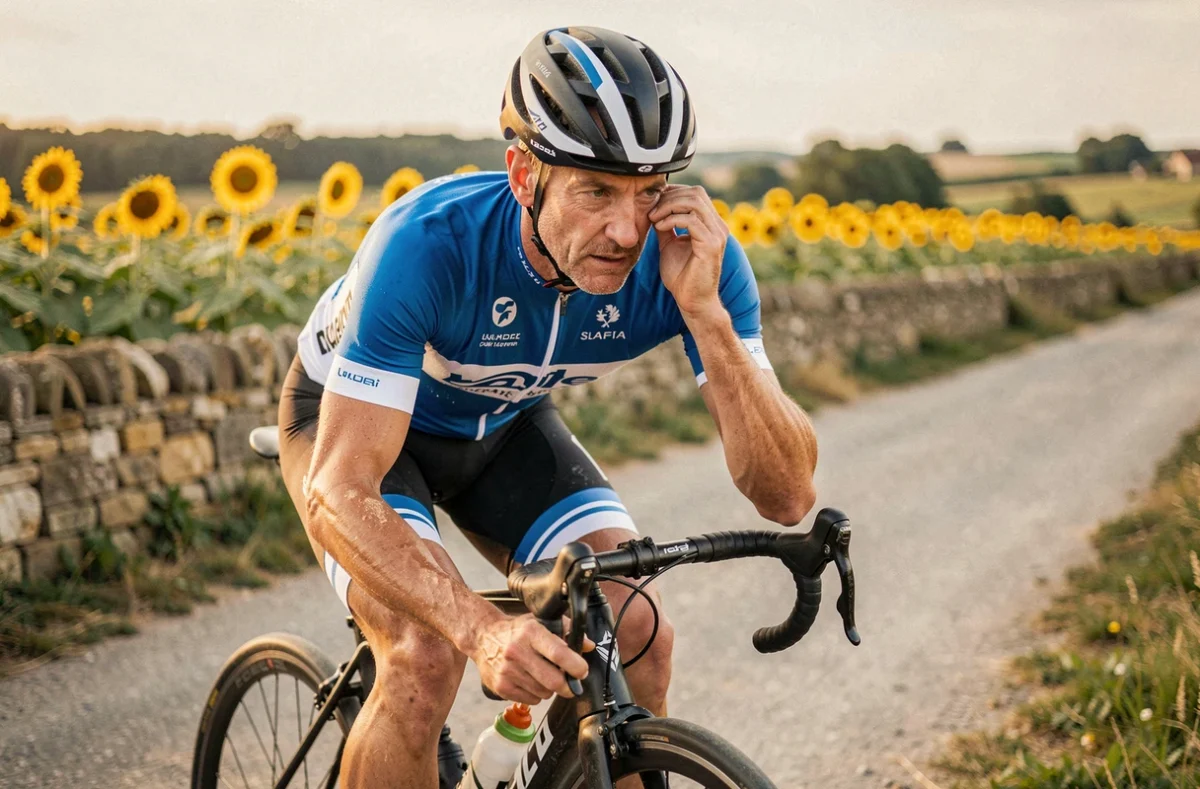
This phenomenon is not limited to running. Home fitness, online yoga, gravel biking with friends: these autonomous and outdoor practices are growing because they offer flexibility. No imposed schedule, no membership fee, no group constraints.
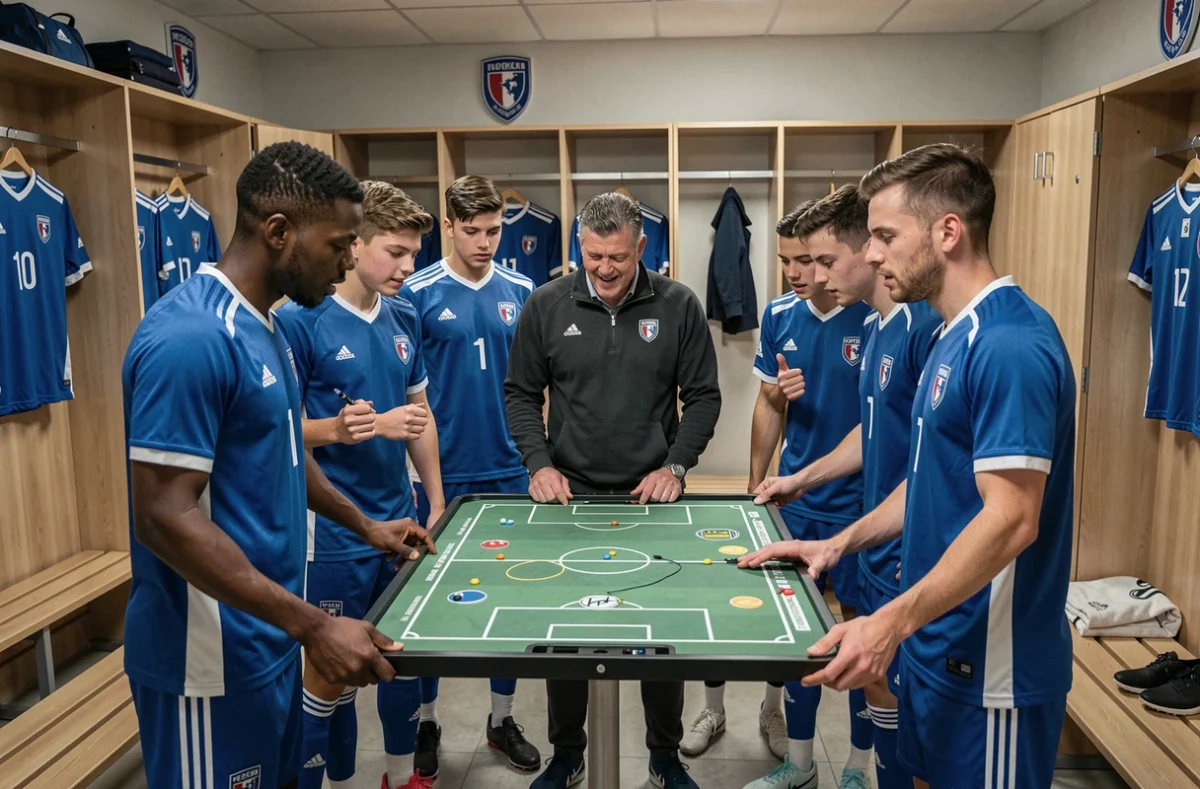
For clubs, the consequence is direct. Fewer members mean less revenue, leading to fewer resources to maintain facilities and pay coaches. Clubs are looking to revise their model by offering more flexible options: monthly subscriptions, trial sessions, “leisure” slots without mandatory competition.
Sports on prescription and regulation: what changes in 2026
Physical activity is increasingly integrated into public health policies. Sports on prescription, which allows a doctor to prescribe adapted physical activity (APA) to a patient with a chronic illness, is gaining ground.
This approach requires a network between healthcare professionals, trained sports educators, and welcoming structures. In practice, the process remains complex for the patient who must identify an APA slot near them, verify financial coverage, and find a qualified instructor.
On the regulatory front, professional sports in France are also subject to notable strengthening. The law expands the powers of Arcom against the piracy of sports broadcasts. Investors in professional clubs are subject to new transparency obligations.
Data and training: technology serving athletes
On the performance side, data analysis is transforming the preparation of high-level athletes. Wearable devices (GPS sensors, heart rate monitors) provide real-time information on training load. Video analysis and artificial intelligence allow for unprecedented precision in adjusting training plans.
These tools, once reserved for professional teams, are becoming accessible to amateur clubs through public applications. A coach from a departmental club can now monitor the physical load of their players on a simplified dashboard.
Sports in France are progressing in diversity and tools. The open question remains about real access to this progress. When heat reduces available slots, costs filter participants, and clubs struggle to retain their members, the sports dynamic primarily benefits those who can afford to adapt. Public programs exist, but their impact falls short of the scale of the challenge.