
An XML sitemap for a gardening site is not just a technical file automatically generated by a CMS. The way this file is structured determines how search engines discover and prioritize content, from plant profiles to seasonal guides. For a site that publishes varied content (articles, cultivation sheets, videos, product pages), segmenting the sitemap becomes a concrete lever for SEO optimization.
Segmenting the sitemap by content type on a gardening site
Most sites generate a single sitemap that mixes all URLs into one file. For a gardening site, this approach hides exploration issues. If plant profiles are indexed less effectively than blog articles, a monolithic sitemap does not allow for this to be identified.
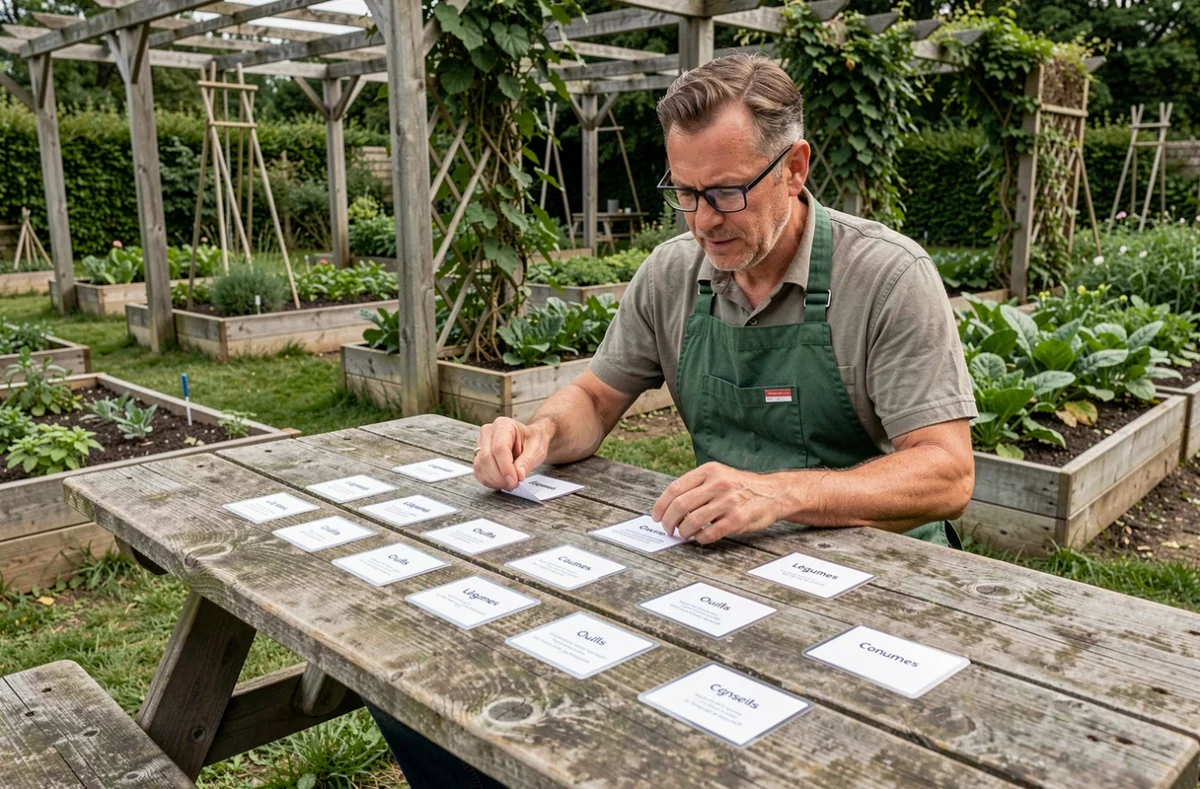
A more effective structure relies on a sitemap index that points to several specialized sitemaps. Each sub-file groups a specific type of content:
- A sitemap dedicated to plant profiles (varieties, shrubs, perennials), which often form the core of a gardening site’s internal linking.
- A sitemap for seasonal guides and editorial articles, whose publication rhythm follows the calendar of sowing, planting, and harvesting.
- A separate sitemap for category pages (vegetable garden, ornamental, fruit trees), which serve as pillar pages for SEO.
- Specialized sitemaps for images and videos, particularly useful when the site offers visual tutorials on pruning, propagation, or maintenance.
This segmentation facilitates analysis in Google Search Console. When an indexing issue affects a type of page, it appears in the report of the corresponding sitemap, without interference from other content. For example, the sitemap page of Une Fleur Un Jardin illustrates this logic of segmentation by content families.
Lastmod tag and cultivation sheets: when the date really matters
The lastmod tag must reflect a real editorial update, not just an automatic regeneration of the file. Google indicates that it can utilize this data when it is consistent and verifiable. Systematically replacing the date with today’s date voids this information of any value.
On a gardening site, legitimate update cases are concrete. A cultivation sheet deserves a new lastmod date when the sowing period is corrected, when frost resistance is revised, when a treatment method is changed, or when structured data is added.
On the other hand, correcting a typo or changing a decorative image does not justify notifying search engines of a modification. A reliable lastmod date helps bots prioritize the recrawl of pages that have actually been modified, which makes perfect sense on a site where plant profiles number in the hundreds.
Update frequency and seasonality
Gardening content follows a natural cycle. Sowing guides, for example, are relevant in spring and should ideally be updated each year with new varieties or climate-related adjustments. A well-managed sitemap allows search engines to spot these seasonal updates and recrawl the pages at the right time.
Category pages, on the other hand, change less frequently. Their lastmod should only evolve when a restructuring modifies the subcategories or the associated internal linking.
Common errors in the structure of a sitemap for SEO
Several recurring errors compromise the usefulness of a sitemap, particularly on gardening sites that accumulate content over the seasons.
Including 404 error URLs or 301 redirects in the sitemap sends a contradictory signal to search engines. The file should only list URLs that return a 200 code. On a gardening site that regularly removes plant profiles taken out of the catalog, periodic cleaning of the sitemap is necessary.
Another pitfall: listing low SEO value pages. Automatically generated tag pages (for example, “tag: watering”, “tag: summer”), internal search result pages, or pagination pages add no value in a sitemap. They dilute the crawl budget without improving the indexing of strategic content.
File size and technical limit
An XML sitemap cannot exceed a certain size. For a small gardening site, this limit is generally not an issue. However, sites that combine a plant catalog, a rich blog, and e-commerce pages may approach it. The sitemap index solves this problem by distributing URLs across multiple files.
Sitemap and internal linking: two complementary logics for a gardening site
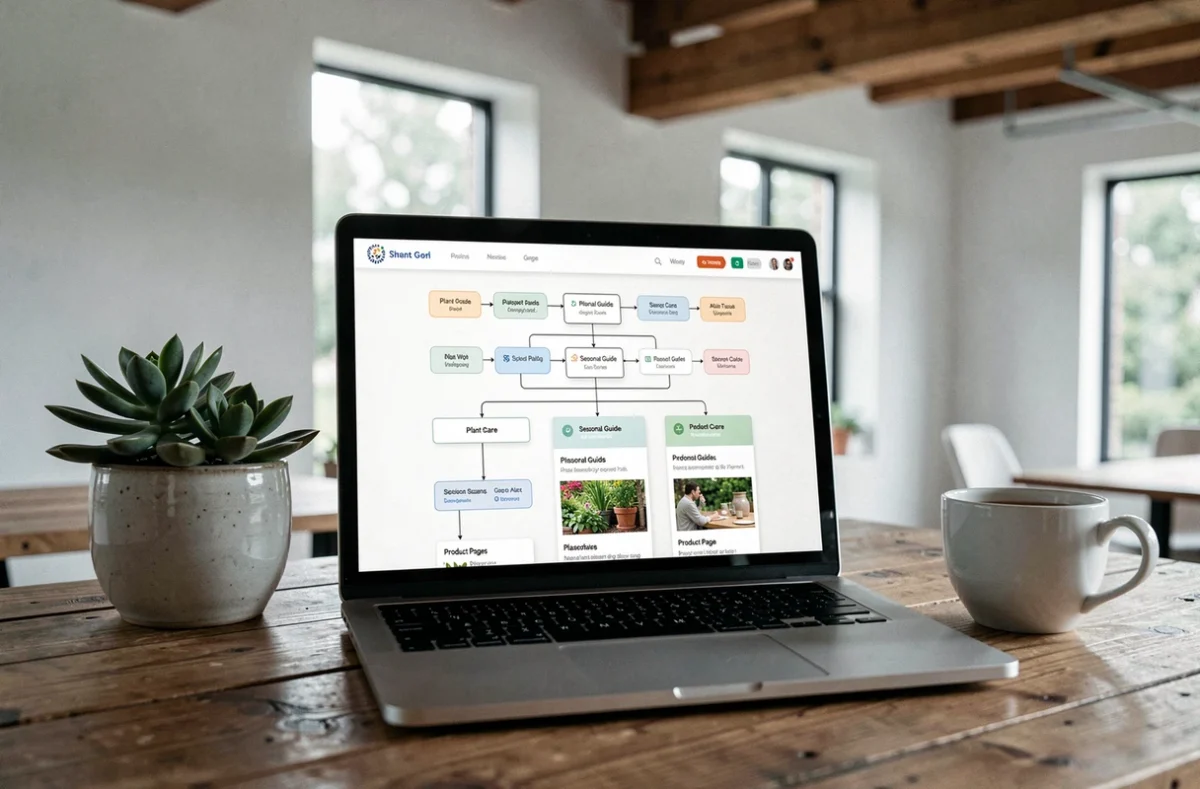
The sitemap does not replace coherent internal linking. Google reminds us: a sitemap complements discovery through links, it does not substitute for it. On a gardening site, internal linking naturally connects plant profiles to seasonal guides, categories to subcategories, video tutorials to corresponding technical sheets.
The sitemap comes into play for orphan pages or recently published content that has not yet received internal links. A new sheet on an heirloom tomato variety, for example, may take several weeks to be discovered by bots if no link points to it. The sitemap accelerates this discovery.
Field reports differ on the actual impact of the sitemap for small, well-linked sites. On a site with just a few dozen pages and clear navigation, the benefit remains marginal. On a site that exceeds several hundred cultivation sheets, guides, and product pages, segmenting the sitemap becomes a tool for managing SEO rather than just a technical formality.
Declaring the sitemap in the robots.txt file and in Search Console remains the final step. Without this declaration, the file exists but search engines do not know where to find it, which nullifies all the prior structuring work.