A graceful garden is always a sight to behold, especially when marigolds bring their bright colors. To enjoy a stunning bloom, it is essential to understand the ideal time to sow these flowers. Their growth cycle, soil type, sun exposure, and temperature are all factors to consider for optimal blooming. Therefore, it is about finding the right balance between these elements to ensure a beautiful bloom of marigolds. Here are some tips to achieve that.
Marigolds: an explosion of colors in your garden
Understanding the growth cycle of marigolds is essential to answer the question: ‘when to sow marigolds?’. These vibrantly colored flowers, scientifically known as Tagetes, are highly valued by gardeners not only for their beauty but also because they can repel certain garden pests.
Marigolds have an annual cycle. They germinate, bloom, and die within a single season. Successfully planning when to sow marigolds will allow you to make the most of their beautiful blooms.
So, when exactly should you sow these marigolds? The ideal period is generally between April and June. Indeed, this tropical plant particularly loves warmth and needs temperatures between 15°C and 20°C to grow properly. It takes about six to eight weeks after the first shoots appear before your plants actually start to bloom.
The key when considering the ‘when’ in ‘when to sow marigolds’ is also to take into account the state of the soil in which they will be planted. Marigolds require a well-draining soil as they are very sensitive to standing water around the roots, which could lead to their death.
An interesting tip is to germinate your seeds under cover or even indoors and then transplant them once the threat of nighttime frost has passed • this strategy protects your young plants from potential damage due to unpredictable spring weather conditions.
Thus, understanding ‘when to sow marigolds’ is not only crucial for ensuring their survival but also for optimizing their growth and future stunning blooms that can be enjoyed throughout the summer until the end of September or even October!
The growth cycle of marigolds explained
To ensure a stunning bloom of your marigolds, be sure to take into account the ideal conditions for sowing these magnificent flowers. First, choose a sunny location for your planting. Marigolds need six to eight hours of direct sunlight per day to thrive fully.
Regarding the soil, make sure it is well-prepared before planting. Opt for a light and fertile soil with good drainage. You can improve the soil quality by adding compost or organic fertilizers rich in nutrients.
Before sowing the marigolds, also consider their required spacing. These flowers tend to develop better when they have a bit more space around them. Leave about 20 to 30 centimeters between each plant so they can flourish without being crowded.
The right time to sow marigolds also depends on local weather conditions. Be sure to take into account the last risk of spring frost in your area before planting your seeds. Waiting until all danger has passed will prevent fragile plants from suffering damage caused by the cold.
Once you have prepared the soil and chosen the ideal location, proceed with the sowing of the seeds according to the instructions provided on the packaging or consult a local gardening expert for personalized advice tailored to your specific situation.
Don’t forget to water your marigold plants regularly to maintain the appropriate moisture level in the soil. Be careful not to overwater as standing water can cause root rot and damage your plants.
Once the plants have reached a height of 10 to 15 centimeters, you can lightly pinch the tips of the stems to encourage a bushier growth. This technique will also help stimulate the production of abundant flowers.
Following these ideal conditions for sowing marigolds will significantly optimize their chances of stunning blooms throughout the summer season. Enjoy their colorful beauty and the enchanting fragrance they bring to your garden or balcony.
Sowing marigolds: essential steps
Once the marigolds are sown, it is crucial to provide them with proper care to ensure a stunning bloom throughout the season. Here are some key tips for taking care of these beautiful flowers.
Be sure to maintain a regular but moderate watering. Marigolds prefer slightly moist soils rather than waterlogged ones. Excess water can lead to root rot and compromise the health of the seedlings. It is advisable to check the soil moisture before each watering and avoid overwatering.
Consider fertilizing your marigolds monthly with a balanced fertilizer rich in essential nutrients such as nitrogen, phosphorus, and potassium. This will promote healthy and vigorous growth as well as an abundance of colorful flowers. However, be careful not to overload the seedlings with fertilizer, as this could also harm their development.
Don’t hesitate to regularly remove weeds that grow around the marigolds. These unwanted plants can compete with your seedlings by absorbing the available water and nutrients in the soil. By keeping your garden clean and free of weeds, you will optimize the harmonious growth of your beautiful flowers.
When the first flowers begin to appear, you can also perform a light pruning to encourage branching of the stems and stimulate a more abundant flower production. Cut off the faded flowers as they appear to promote the continuous emergence of new flowers throughout the season.
Be sure to protect your marigolds from potential pests such as aphids or slugs. Use natural methods like insecticidal soap or physical barriers to prevent these pests from damaging your precious seedlings.
By following these simple yet effective tips, you will be able to successfully care for your marigolds and provide them with an environment conducive to a stunning bloom.
Caring for marigolds for a stunning bloom
Once the marigolds are sown and carefully tended, it is time to admire the result: a brilliant explosion of colors in your garden. The flowers of marigolds unfold in a vibrant and dazzling symphony, bringing a touch of unmatched beauty to your outdoor space.
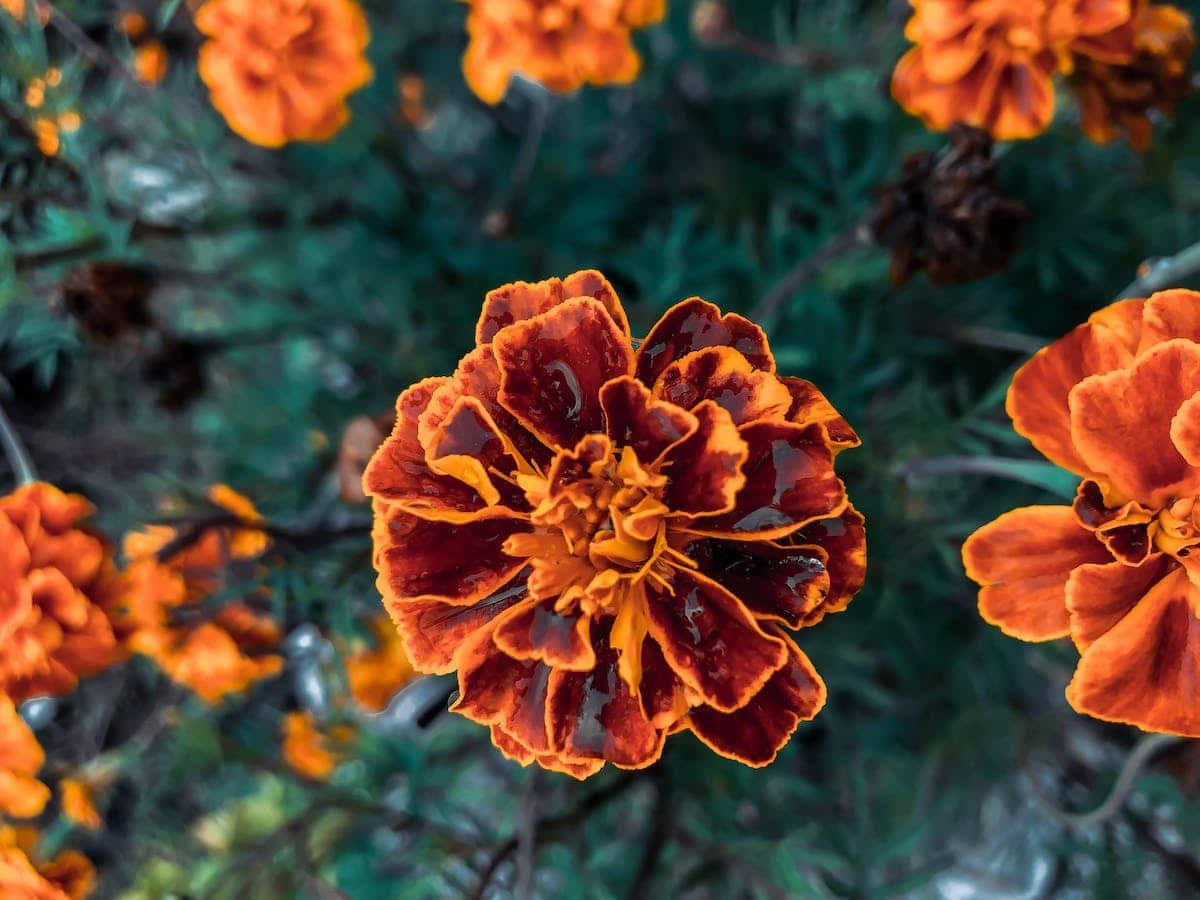
Imagine a lush flowerbed where the bright tones of red, yellow, orange, and white blend harmoniously. Each petal seems hand-painted with finesse and delicacy. The compact structure of the seedlings also offers a captivating visual effect. The striking contrast between the shiny dark green leaves and the blooming flowers creates a living tableau that naturally draws the eye.
The abundant blooming of marigolds truly invites all your senses. Let yourself be carried away by their sweet floral fragrance that delicately floats in the spring or summer air. Close your eyes for a moment to fully immerse yourself in this refined olfactory presence.
In addition to their attractive visual aspect and intoxicating fragrance, these flowers also provide a valuable refuge for pollinating insects such as bees and butterflies. Thanks to their nectar-rich corollas, they serve not only as a vital elixir for these winged creatures but also contribute to promoting biodiversity within your garden.
Marigolds are also prized for their long flowering duration. They can bloom throughout the summer until autumn, allowing you to fully enjoy them for a large part of the summer season. Their resilient petals and ability to withstand high temperatures make them essential allies for bringing color and vitality to your garden even during hot periods.
Sowing marigolds in your garden guarantees an impressive and spectacular explosion of bright colors. With proper and regular care, these magnificent flowers will continue to brighten your outdoor space throughout the summer season.
A dazzling garden: the explosion of colors from marigolds
When you sow marigolds for a stunning bloom, you need to know how to care for these seedlings to maximize their potential. Here are some practical tips for taking care of your flowers and ensuring unparalleled floral splendor.
Make sure to choose an adequate location for your marigolds. These seedlings prefer a sunny spot where they can fully enjoy the sun’s rays. Also, ensure proper drainage of the soil as marigolds do not appreciate standing water that can lead to root rot.
Once you have sown your seeds in the prepared soil, be careful not to overwater the young shoots. Excessive watering can weaken them or even lead to their premature death. Successfully cultivating marigolds in your garden will make a splash among flower garden enthusiasts with their natural resilience, exceptional beauty, and vibrant palette.